
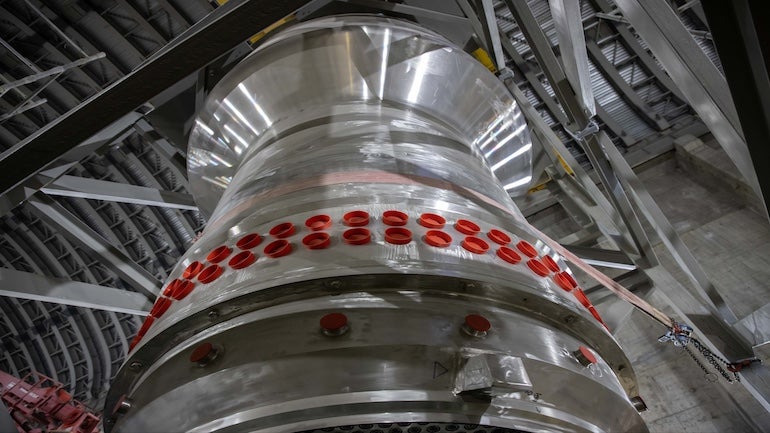
Nuclear power is in the middle of what many in the industry are calling a second wave of growth. With 415 reactors operating worldwide, 72 more under construction, and several countries pledging to triple installed capacity, the pressure is on to bring new reactor types, fuels and materials from the drawing board into commercial service. That transition runs through one piece of infrastructure that rarely makes headlines: the research reactor.
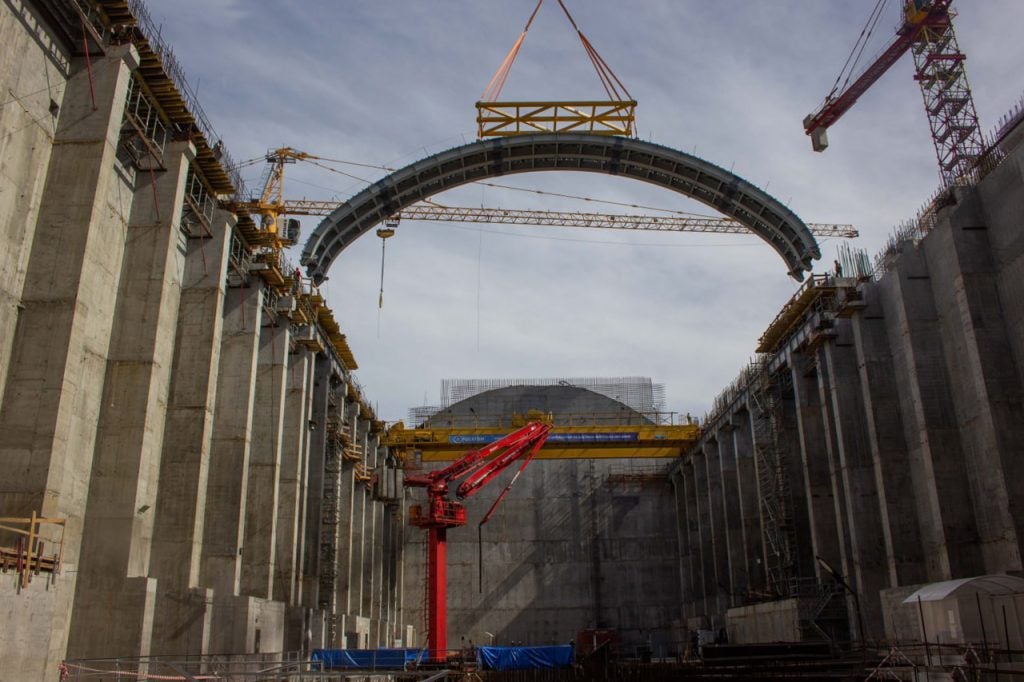
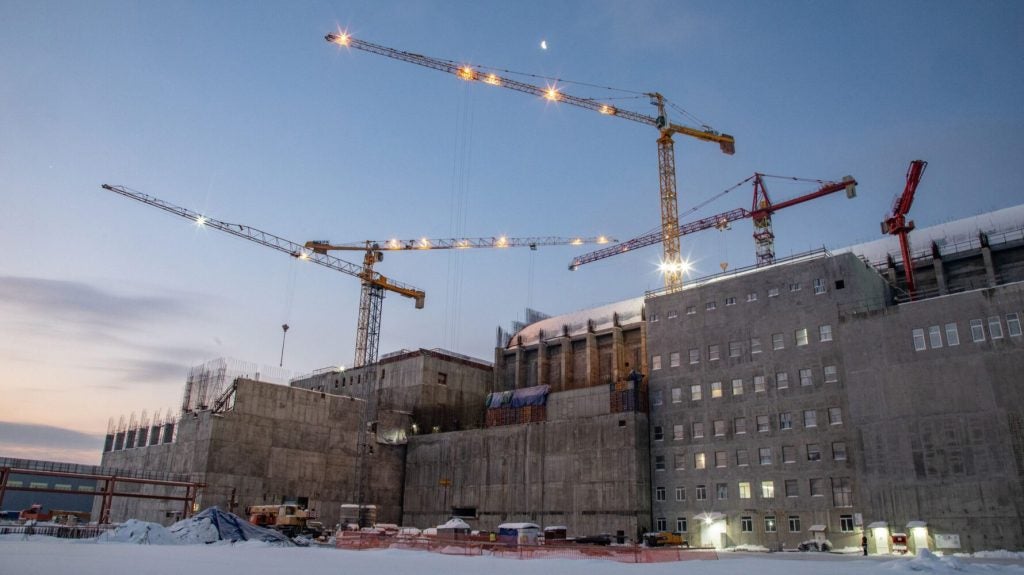
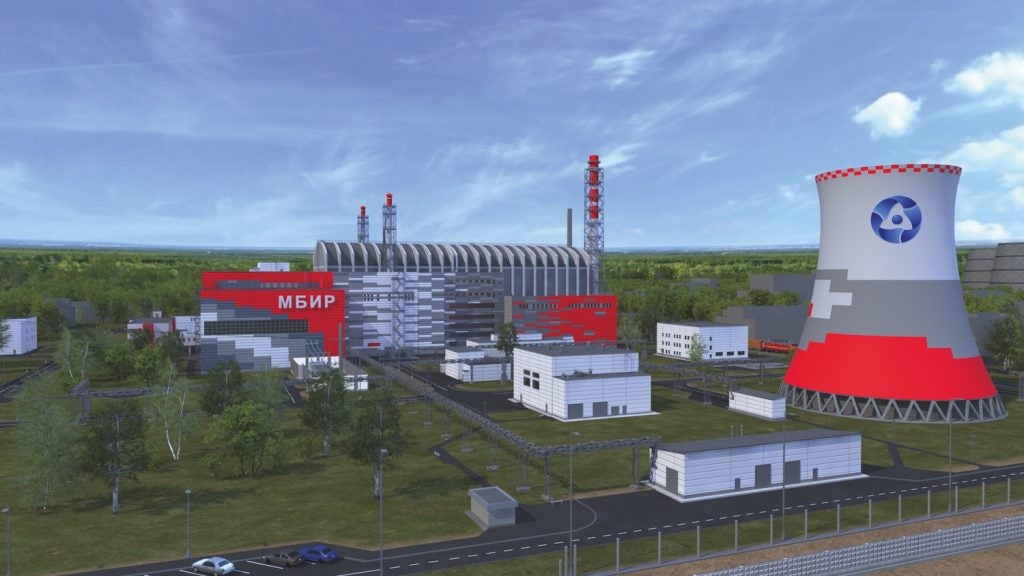
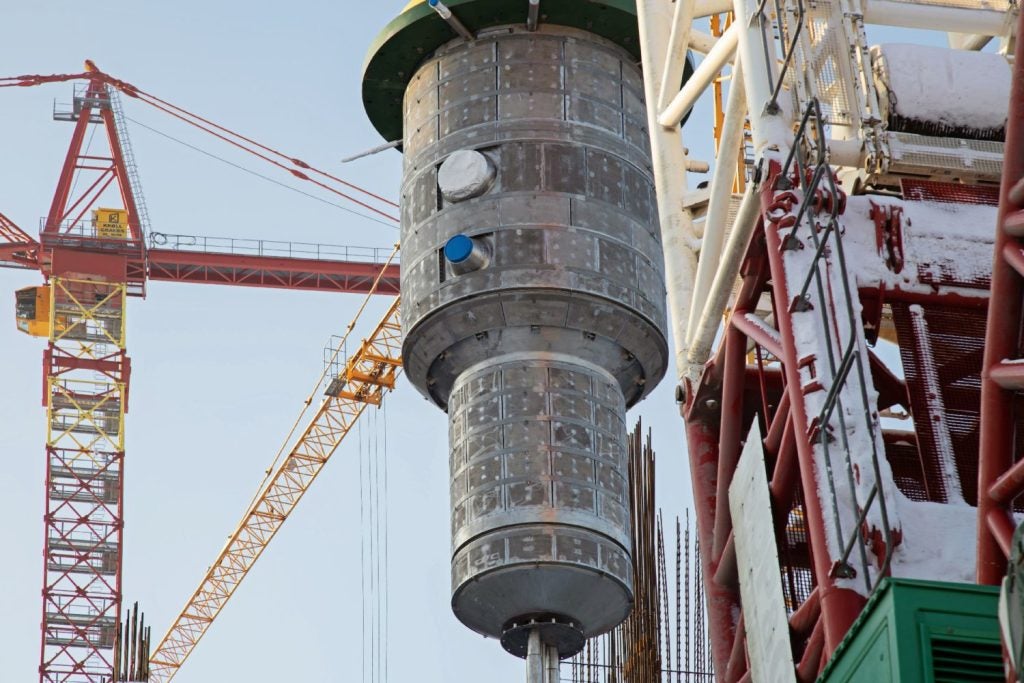
Vasily Konstantinov leads the consortium behind Mnogotselevoi Bistrii Issledovatelskii Reaktor (MBIR) – the multi-purpose fast-neutron research reactor under construction at the Research Institute of Atomic Reactors (NIIAR) in Dimitrovgrad, Russia. Designed as a 150MWth facility with a planned 50-year service life, MBIR is positioned as an international testing platform for fourth-generation reactor technologies, advanced fuels and closed-fuel cycle research. NEi spoke to Konstantinov about why research reactors are becoming critical infrastructure for the industry, what is holding back, and how MBIR’s international consortium model is reshaping cooperation in the sector.
NEi: Why are research reactors suddenly central to the global nuclear agenda?
Vasily Konstantinov: The scale of new build is creating a corresponding demand for scientific back-up. New reactor types, fuels, structural materials, safety systems and closed fuel cycle technologies all need to be proven under conditions close to real operation before they can be scaled up commercially. Research reactors are where that proof happens. They are not just a scientific tool, but basic infrastructure that the whole industry’s technological development depends upon.
Two things stand out as drivers for new testing capacity. First, fuel behaviour at high burn-up rates and the radiation resistance of materials can only be properly assessed through in-reactor testing modelling and calculations need to be verified against real experiments. Second, grid operators are increasingly asking reactors to run in load-following mode rather than baseload, which changes the requirements placed on core components and equipment. Both trends demand a modern experimental base.
NEi: How is MBIR different from earlier research reactors?
VK: Flexibility and scale. MBIR is a fast-neutron reactor designed with the needs of the global nuclear industry in mind for the next 50 years. Its defining feature is the testing equipment: instrumented cells and autonomous loop devices – independent circuits inside the core – that can fully replicate the operating conditions of different reactor types using different coolants (sodium, lead, lead-bismuth, gas), temperatures and pressures. That means several reactor concepts can effectively be modelled simultaneously, and prospective structural and fuel materials tested to support Gen IV concepts. An extensive network of vertical and horizontal experimental channels and ex-vessel devices adds capacity for large-scale materials science testing.
Beyond research, MBIR also has a practical dimension: it can produce a wide range of medical and industrial isotopes, and – as a functioning power plant – it will supply heat and electricity to the surrounding region, supporting local infrastructure.
NEi: Why are materials such a critical bottleneck for fast reactors?
VK: Two factors. First, compatibility with liquid-metal coolants – sodium, lead, lead-bismuth – places tough demands on the corrosion resistance of structural materials. Second, radiation damage in a fast-neutron spectrum causes swelling, radiation creep and helium embrittlement, which can sharply cut the service life of fuel cladding and in-vessel components. Solving these problems is one of the hardest engineering challenges in the industry, and it determines not just safety but the economics of fast reactors – burn-up and how long a fuel cycle can be achieved.
NEi: What role do research reactors play in moving Gen IV technology toward commercialisation?
VK: A decisive one. Many Gen IV concepts – sodium, lead, gas or molten-salt cooled fast reactors – already exist on paper or as pilot designs, but moving to industrial deployment requires large-scale experimental verification: confirming computational models, testing fuel and material behaviour, working through operating regimes. Research reactors remove uncertainty from that process, and MBIR’s capabilities should shorten the path from concept to deployment while lowering technological and investment risk.
Almost every aspect of reactor operation needs experimental validation; in practice, that means things such as neutron-physics characteristics of the core for each reactor type; how structural materials behave in contact with different coolants (corrosion in lead or molten salts, high-temperature creep for gas-cooled designs); thermal-hydraulic processes at temperatures well above those in conventional water reactors, including severe-accident scenarios; and fuel performance at high burn-up and damage doses. This is an enormous body of data that can only be generated through a dedicated experimental base.
There’s a real gap opening up in the current global research infrastructure. More than 670 research reactors have been built worldwide over the course of the nuclear era, but the overwhelming majority were commissioned more than 40 years ago, and the fleet is ageing faster than experimental demand is growing. The shortage of fast research reactors is particularly acute, even though they are the ones critical to closed fuel cycle and Gen IV development. That’s the gap MBIR is intended to fill, and it’s being built explicitly on a logic of international cooperation, pooling resources and expertise for Gen IV development.
NEi: Which fuel types are the current priority?
VK: In Russia, the focus is on two types: mixed-oxide fuel (MOX) and mixed uranium-plutonium nitride fuel (SNUP/MNUP), both central to closed-fuel cycle plans and fast reactor development. MOX has the most mature technology readiness—it’s already used in the BN-800 reactor at Beloyarsk NPP, with industrial-scale production at the Mining and Chemical Combine in Zheleznogorsk set to supply the BN-1200M unit under construction. Beyond oxide fuel, metallic, nitride and carbide fuels are also critical globally. Nitride fuel, in particular, is considered the leading candidate for more efficient, safer Gen IV systems, thanks to higher thermal conductivity, greater fissile density and better neutronics than oxide fuel. Molten-salt reactor fuel technologies, using both fluoride and chloride salts, are also advancing internationally.
Testing directly in a fast-neutron spectrum – conditions much closer to future power reactors – produces more relevant fuels data and speeds up development, and high neutron flux allows burn-up targets to be reached faster. MBIR will test advanced fuels, including MOX and nitride fuel; a new manufacturing technology for high-plutonium-content oxide fuel has already been mastered during the construction phase.
NEi: What post-irradiation examination infrastructure exists at the NIIAR site?
VK: After irradiating samples or fuel assemblies in the reactor, the next step – post-irradiation examination – requires specialised, remotely operated hot cells to study how a material’s structure, strength, thermal conductivity and corrosion resistance have changed. NIIAR has one of the largest materials science complexes in the world for this, with 49 radiation-shielded hot cells and nine heavy boxes, a dedicated transport hall for full-size fuel assemblies, and a holding pool for storage, backed by decades of experience working with irradiated materials. NIIAR also runs the only fuel refabrication facility of its kind in Russia, where experimental fuel elements can be fitted with sensors for specialised in- and out-of-pile studies.
Combine that materials science complex with a new-generation research reactor and manufacturing capability on a single site, and the result is a full “turnkey” research cycle without handing off to other facilities in between.
NEi: Is the MBIR facility open to international participants?
VK: Rosatom’s approach shifts the focus from owning infrastructure to accessing capability. Building on a network of bilateral intergovernmental agreements, the consortium behind MBIR guarantees participants long-term access to the reactor’s infrastructure – priority experiment time for their national programmes. Access to unique research infrastructure lets countries pursue advanced nuclear technology programmes without the cost of building and operating their own reactor. That fits directly with the IAEA’s mission to support the peaceful use of nuclear energy and gives the international community a shared platform for common scientific goals.
MBIR’s unique neutron-physics characteristics and continuous access also support long-term, multi-stage research programmes with real methodological and personnel continuity, effectively becoming a training ground for experimental nuclear science. For countries building their own nuclear programmes, participation is a way to develop world-class national expertise that can then be scaled up domestically.
The Joint Institute for Nuclear Research (JINR) – an intergovernmental organisation spanning 14 member states – joined the consortium in 2024. In 2025, the Institute of Nuclear Physics of the Academy of Sciences of Uzbekistan and China’s Shanghai ZDAN International joined as core participants. Under a recent memorandum between Rosatom and the Chinese Academy of Sciences, Chinese specialists plan to use MBIR for materials science research and controlled fusion work. A cooperation agreement with the Arab Atomic Energy Agency is helping coordinate involvement from Jordan and Egypt.
Vietnam is a key partner in Southeast Asia, seeing MBIR as a way to build a domestic pipeline of world-class nuclear specialists. Brazil and other Latin American countries have expressed interest, and work with the African Commission on Nuclear Energy (AFCONE) is helping coordinate participation across the continent. Consortium participants gain access to experimental channels, turnkey testing, analytical support and post-irradiation examination—effectively a full-service pipeline.
NEi: How do you see the global nuclear R&D ecosystem evolving over the next 10–20 years?
VK: Toward horizontal, consortium-style cooperation, much like the model already in place around MBIR. AI and digital twins will be a major driver – shifting materials science from an empirical, trial-and-error process toward predictive modelling, with virtual testing filtering thousands of hypothetical scenarios so that only the most promising experiments reach the reactor itself. That should sharply increase both the speed and market relevance of research.
By 2030, we expect to demonstrate closing of the nuclear fuel cycle. By 2045–2050, the strategic trend will be scaling up fast reactors – such as BREST-OD-300 moving toward BR-1200 – and the commercialisation of fusion. The industry, as a whole, is likely to move away from siloed national programmes toward mega-science-class projects that pool resources across borders. MBIR is intended as an early model of that approach: an open platform where each participating country can pursue its own research agenda using infrastructure built in Russia – a format we expect to become the dominant one in nuclear science over the coming decades.


