

Automation is reshaping and changing the nature of work across multiple sectors, including power industries such as nuclear.
A series of reports show the technology itself is evolving, with robotic process automation (RPA) having evolved into intelligent automation, combining AI and other technologies with RPA to automate more complex business processes. In its overarching Future of Work report, GlobalData states that this progression is crucial in understanding how automation technologies can evolve to meet increasingly complex business needs.
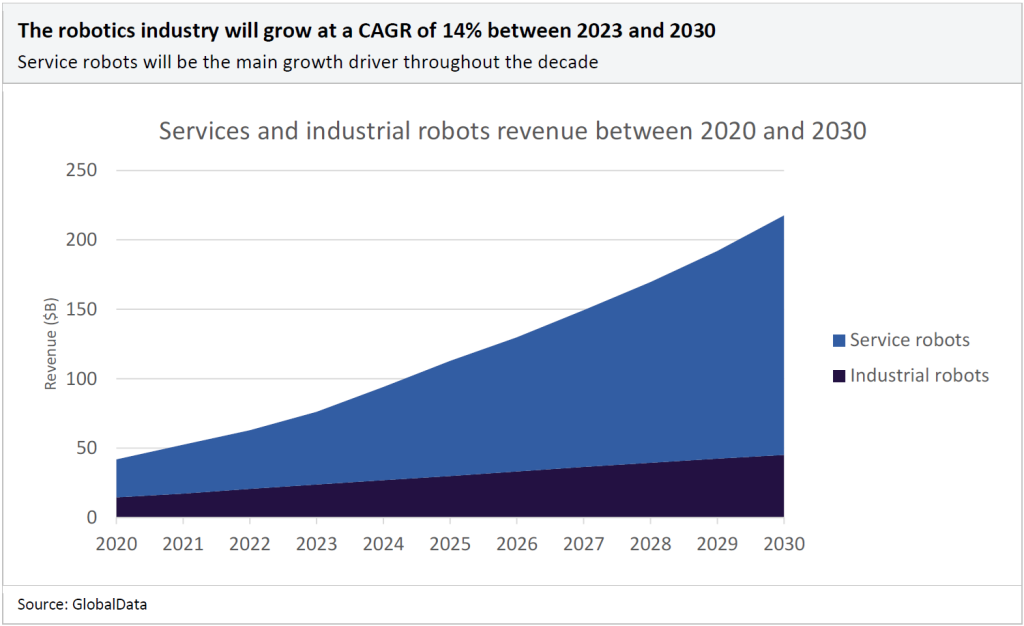
The report says: “With workforces worldwide ageing, robots will perform more and more tasks.”
In the most recent edition of its Future of Work report, released in late 2024, GlobalData outlines automation as one of the five segments of its future of work framework, indicating that it will play a major role in the evolution of the workplace. Subsequent sector-specific reports throughout 2025 have since illustrated in greater detail the extent to which this will be the case – and, indeed, to which industries are already being reshaped by automation.
Automation in power
Speaking to both the inter- and intra-sector impacts, the Future of Work in Power report states: “Automation, including robotics, drones, 3D printing and intelligent automation, is a critical investment for all industry segments except end-users, where it is irrelevant. Automation technologies will help solve a range of industry challenges, most notably improving productivity and efficiency by handling operations and maintenance tasks. Power companies that fail to invest in automation will get left behind.”
Of the role that the technology will play for the power sector in particular, the report details that autonomous robots and drones will manage complex, hazardous and repetitive operations with automation “key for health and safety.”
The report says: “Integrating automation technologies can significantly improve health and safety in a notoriously hazardous industry… robotics and drones can mitigate risks associated with heights, accessing equipment and exposure to toxic chemicals and gases. Fully automated systems operate continuously, leading to increased productivity and cost savings. Automation enables real-time monitoring and control from a centralised location, supporting remote asset management. This not only improves operational visibility but also facilitates prompt decision-making and intervention in case of emergencies or anomalies.”
Automation in industrials
It is noted across the Future of Work reports that artificial intelligence (AI) extends the possibilities of automation. Of this, the Future of Work in Construction report states: “Recent progress in machine learning on the back of improved algorithms (e.g., Google’s AlphaGo, OpenAI’s GPT-4) and increasing computing power have enabled AI to solve work-related problems. Despite the industry being challenging to digitalise, multiple construction companies are developing AI tools for processing and visualising data and automating routine tasks.”
Indeed, among the challenges it outlines that automation can help to address for the sector are its ageing workforce, labour and skill shortages, worker fatigue and project delays.
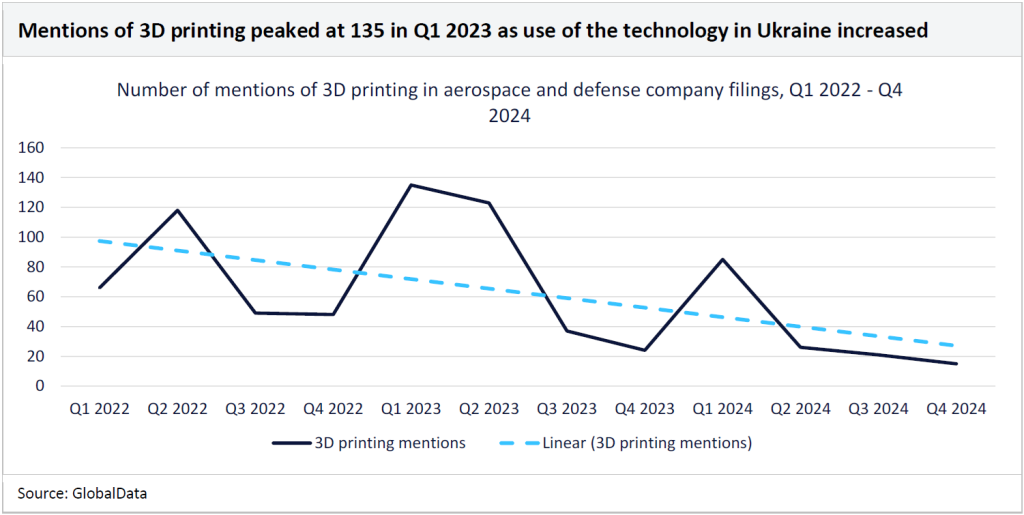
Benefits of integrating automation technologies into the manufacuring process are also outlined for the aerospace and defence sector, which also has nuclear applications. The Future of Work in Aerospace and Defense report states: “Investment in [the automation] category by all segments of the defence value chain is essential. 3D printing for maintenance, repair, and overhaul should be invested in by all segments of the defence value chain. OEMs, prime contractors, subcontractors, and COTS technology companies should incorporate it into their formal manufacturing processes.”


