

As technology advances and the demands of the nuclear industry increase, the need for well trained professionals is increasing. In parallel, the sector is facing a number of recruitment and skills challenges. With global nuclear employment projected to rise significantly by 2050, the International Atomic Energy Agency predicts that the industry will require over four million professionals to support the anticipated expansion in nuclear capacity.
Historically, apprenticeships have long been a go-to solution for industries looking to future-proof their workforce, offering essential on-the-job training alongside seasoned employees who bring vast understanding to their roles. Apprenticeships are designed to be on-the-job training that offers practical, hands-on, and industry specific experience, allowing trainees to develop skills that are directly aligned
with their sector.
However, apprenticeships don’t come as a guarantee of a future workforce. Many apprentices don’t finish training schemes and even those who are trained are not guaranteed to remain within the sector or focus their attention on areas of the industry that require tangible change in order to future-proof the workforce.
The role of practical, hands-on learning
Aside from apprenticeships, industry leaders need to commit to dedicating team time to training and development. While apprenticeships offer the chance to learn skills at the start of an individual’s career, leaders within the industry can also look to introduce and implement ‘improverships’.
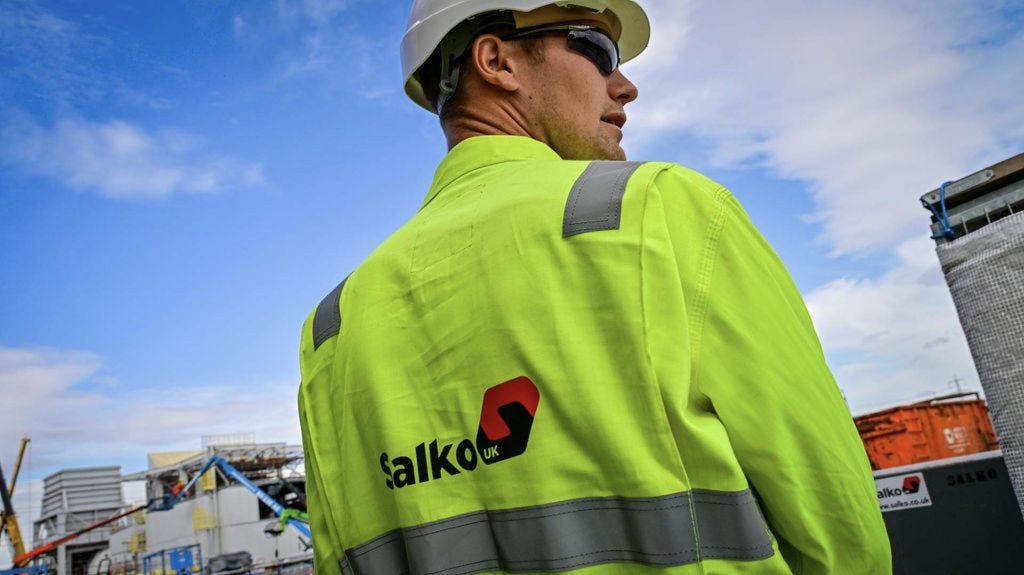
These improverships would include conducting assessments to identify current skills and areas for improvement among employees. This would identify where more efforts were needed to address gaps or uncertainties in knowledge as a group.
One of the most overlooked issues in engineering is not simply a skills gap but a qualifications recognition gap. Across the sector, employees are informally upskilling – gaining site certifications, digital qualifications and specialist compliance knowledge. However, these achievements are not always formally recognised or strategically aligned with projected demand.
When upskilling occurs without management oversight or structured progression pathways, its impact is limited. For workforce development to be effective, qualifications must be mapped against future demand.
Management teams need visibility of existing competencies, upcoming retirements and emerging sector requirements. Without that strategic oversight, organisations risk investing in development that does not directly address critical shortages.
To strengthen the workforce from within, organisations must look beyond entry-level recruitment and introduce structured development pathways for current employees. Investing and providing easy access to a team to take hands-on courses and clearance tests that allows them to understand other adjacent sectors and industries better. This will not only upskill them but allow for business cross over into sectors like the nuclear energy sector. Many of the existing skills that engineers have are transferable to the nuclear sector but clearance to access nuclear sites is imperative to accessing nuclear sites and training. However, companies also need to recognise that the nuclear sector has high entry barriers and the level of clearance needed to access a nuclear plant is significant. Companies and educators need to invest in getting the right people through those processes. In the UK, for example, formal security clearances range from Baseline Personnel Security Standard (BPSS) for nuclear site access through to Security Check (SC) or Developed Vetting (DV) for sensitive design and operational roles.
Industry leaders also need to think strategically about where resources are needed. The energy industry is faced with a huge task of decarbonising in the next five years, and so trained specialists in these areas are essential. This means more incentives to train individuals in critical areas such as prioritising clearance for nuclear programmes and funnelling engineers towards net zero energy projects to prepare for a clean energy future.
The sector’s growth could also benefit from cooperation and partnerships between educational institutions, industry organisations and policymakers to create careers and training pathways for younger generations.
This precise approach has multiple benefits, honing in on the skills employees already possess, ensuring that training and investment goes towards priority areas and providing progression routes that support long term development. It also allows for accountability at multiple levels, ensuring that development aligns with long-term commercial and sector strategy.
How measurement and inspection support knowledge transfer
Complex engineering environments demand not just skilled design and creation, but ongoing proactive system inspection and measurement. This not only enables early detection of faults, wear, or degradation through regular diagnostics but supports knowledge transfer and workforce development.
In engineering, experienced professionals often carry implicit knowledge – but measurement and inspection allows them to properly document these things and pass the knowledge on. This also allows for a shared technical language that is understood across sites, sectors and generations. Ensuring consistency across the industry by standardising how parts are assessed, procedures are done and audit trails are maintained. In the long term this will define the skills and knowledge required by the industry.
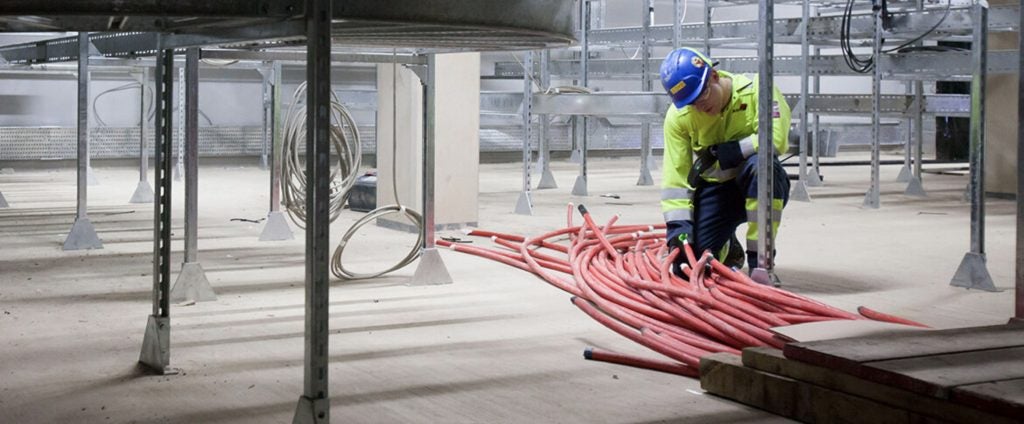
Technical documentation is a core skill that apprentices are taught when starting out in nuclear engineering, so is equipment inspection and monitoring. This means previous measurement and inspection documentation is key to upskilling the next generation of engineers.
Workforce development occurs as a result of feedback loops and by detecting and resolving defects before they impact operations, functionality and safety. If a defect appears then training is updated, creating a continuous loop of improvement.
Recruitment and training in the nuclear energy sector is dependent on the wider sector’s ability to keep up with the demands of a rapidly evolving industry and on-going maintenance of the knowledge and high standards that the industry requires. Measurement and inspection practices are important for the transfer of this to future current and generations, and long-term workforce development.
Through apprenticeships and improverships hands-on learning is the best way to achieve the required expertise. The nuclear industry is a highly technical one that requires high competencies from its workforce and hands-on training ensures that students go beyond theoretical understanding to practical capability.
The global nuclear industry is in a period of immense growth but it needs the support of multiple bodies to support sustainable growth. The industry’s future will be determined by the cooperation of educational institutions, industry organisations and policy makers to maintain expansion, quality, safety and a transfer of knowledge. The time is now to mobilise cross-sector teams to ensure proper training schemes and skills workshops are made available to both current and future employees.


