
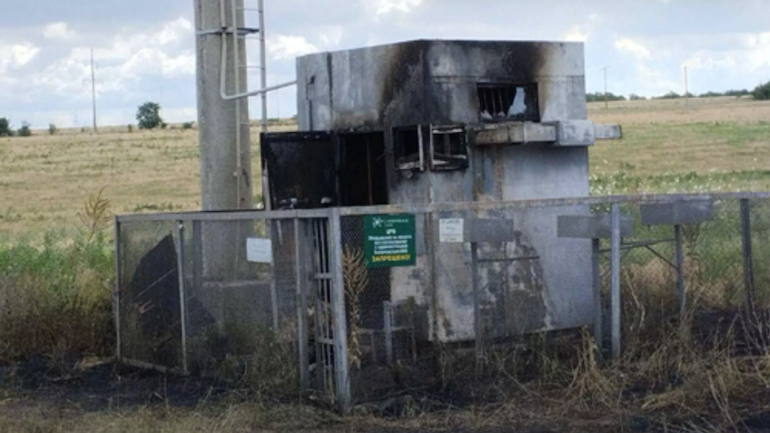
As a result of a drone attack, the radiation monitoring post of the Zaporizhia NPP (ZNPP), located 13 km from the plant in the Ivanovka area, was damaged, ZNPP reported on its Telegram channel. The post is one of the elements of the system for monitoring the radiation situation in the area around ZNPP. These facilities ensure the regular collection of data on the radiation background and allow specialists to respond promptly to possible changes.
ZNPP said the available radiation monitoring equipment and capacity are sufficient to continue monitoring. The failure of one of the monitoring posts does not mean that monitoring is discontinued, or indicate the presence of a radiation threat. “At the same time, each monitoring post is part of the overall control system and provides an additional source of information. Its loss reduces the system’s ability to quickly collect data in the relevant area,” ZNPP noted.
While there is currently no immediate threat to radiation safety due to the decommissioning of this post, strikes against radiation monitoring facilities create additional risks to the efficiency and completeness of monitoring. “If such facilities are further damaged, specialists’ ability to quickly obtain information in the event of an emergency may be significantly limited.”
The previous week, the 66th rotation of experts from the International Atomic Energy Agency (IAEA) stationed at ZNPP was completed. IAEA experts have been present at the plant since September 2022.
ZNPP said the safety of the rotation was ensured by military personnel of Russia’s Ministry of Defence, employees of the National Guard, and officers of the Main Directorate of the Ministry of Internal Affairs responsible for the Zaporizhia Region.
During the recent IAEA General Conference in Vienna, Rosatom Director General Alexey Likhachev held talks with IAEA Director General Rafael Grossi. The main topic of the conversation was the issues of nuclear and physical security at ZNPP, as well as the situation in the plant operators’ town of Energodar.
Likhachev noted that since the end of April, there has been a sharp escalation of the situation at the plant site and in its satellite city due to the ongoing attacks. Over the past four and a half months, more than 750 strikes have been carried out on the ZNPP and Energodar using drones and artillery. Since the escalation began, 20 people have been killed, including nine ZNPP staff, and more than 100 people have been wounded. Likhachev also drew attention to recent attacks on fuel tankers delivering fuel to the ZNPP, which resulted in human casualties. This concerned the delivery of diesel fuel, which is urgently needed to ensure the nuclear safety of the plant. Grossi said he is ready to explore options for the Agency to provide assistance in carrying out such operations.
ZNPP in its latest post on Telegram said training of personnel for the plant continues despite the difficult situation. This year, 91 graduates from Energodar were accepted to positions at ZNPP “For many, choosing this profession is a family matter: parents work at the plant, and now their children are preparing to continue that work.”
In the summer, future first‑year students underwent intensive training, while upper‑year students completed their practical training. Due to the worsening situation in the region, this training had to be conducted remotely for the first time. “At the same time, the students’ knowledge was assessed by the current heads of departments at the Zaporizhzhia ZNPP and specialists communicated directly with the future graduates and checked their readiness to work at the plant.


