
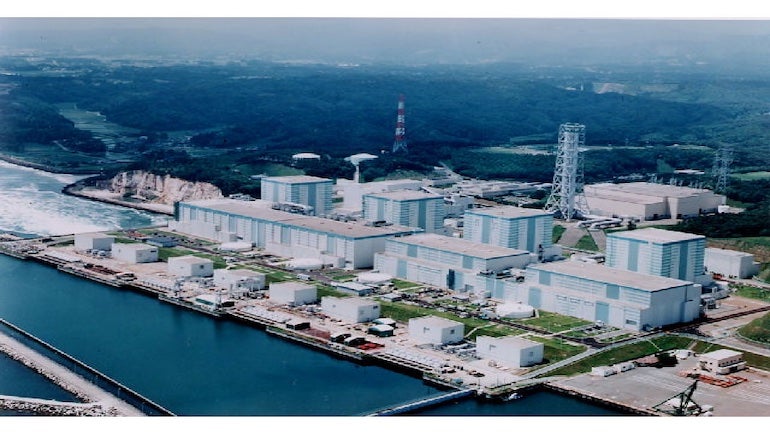
Tokyo Electric Power Company Holdings (Tepco) has suspended cooling of a used fuel pool at unit 1 of the Fukushima Daiini NPP after smoke was detected and an alarm sounded. According to public broadcaster NHK, the pool water temperature stood at 26.5 degrees Celsius when the cooling system was halted, leaving about 8 days before it would exceed the 65-degree Celsius threshold set for safe operation.
Radiation levels around the nuclear plant have shown no change, and no injuries were reported, Tepco said, adding that it was investigating the cause of the malfunction and working to repair the pump as quickly as possible to restore cooling.
The Fukushima Daiini NPP, some 11km south of the crippled Fukushima Daiichi plant comprises four boiling water reactors that began operation between 1982 and 1987. The plant was also hit by the tsunami in March 2011 which destroyed the Fukushima Daiichi plant. They temporarily lost reactor cooling functions, but unlike the Daiichi plant, avoided meltdowns. They have since been maintained in cold shutdown.
In July 2019, Tepco announced its decision to decommission the units following local demands for a decision on the fate of the site. Tepco submitted its decommissioning plan for Fukushima Daiini to the Nuclear Regulation Authority in 2020 and it was approved in 2021. The decommissioning process is expected to be completed by 2064.
Unlike the neighbouring Daiichi plant, which faces complex debris retrieval, Daini’s progress focuses on the systematic removal and storage of intact fuel assemblies.
The 10,000 fuel assemblies held in the units’ storage pools will be removed over 22-years and will be reprocessed. Tepco plans to construct an on-site dry cask storage facility “to systematically progress fuel removal from the spent fuel pool”. About 50,000 tonnes of radioactive waste will be generated during decommissioning, the. total cost of which (excluding fuel disposal) is estimated at more than $2.5bn.


