

Nuclear power plays a critical role in modern energy networks, providing reliable baseload electricity with zero carbon emissions at the point of source. As global energy usage continues to rise, nuclear is becoming an increasingly important supply-side solution – underpinning grid reliability – and is consequently expected to take on greater prominence than ever before.
In response, the sector is evolving as new investment streams and reactor designs start to emerge. Previously, the sector was characterised by state-backed megaprojects, with new build nuclear power plants costing tens of billions of dollars and taking many years to complete. However, urgent energy demands are driving a push for more flexible and scalable solutions, particularly small modular reactors (SMRs).
However, the nuclear industry has a problem. The historical ‘feast and famine’ nature of nuclear new build has created consolidation in the supply base, leaving a restricted number of experienced and qualified suppliers. Geographic concentration of key nuclear production capabilities has added to supply risk in increasingly uncertain geopolitical times.
Crucially, critical nuclear components demand extreme precision and extensive quality controls, resulting in high backlogs and long lead times. Some castings and forgings have waiting times of many months, or even years, as a limited number of suppliers struggle to keep up with demand. At the same time, the stringent requirements of nuclear components make it difficult to scale traditional manufacturing routes.
Introducing new production techniques
The greater adoption of advanced production techniques could make a difference. One such approach is powder metallurgy Hot Isostatic Pressing (PM-HIP), a well-established process that has a long history of application in critical sectors such as subsea oil and gas, aerospace, and medical, and is already qualified for use under nuclear codes.
PM-HIP is an advanced forming process that uses high pressure and temperature to produce near-net-shape metal components from powder alloys, with outstanding mechanical properties. In nuclear applications, it delivers several transformative benefits. These include significantly shorter lead times for near-net-shape component production, as parts can be manufactured closer to final geometry, reducing the need for extensive machining, welding and post-processing compared with traditional methods. PM-HIP is also supported by a mature, distributed supply base in the US, UK and EU, which helps alleviate many of the supply chain constraints associated with other approaches.
There are significant technical advantages, too. PM-HIP can deliver improved part performance by producing components free of cracks or porosity. At the outset, atomised metal powder is loaded into a sheet-metal canister and then subjected to high temperatures (up to 2000°C) under isostatically applied argon gas pressure (up to 45,000 psi). Under these extreme conditions, just below the material’s melting point, the powder bonds metallurgically, with porosity and internal voids eliminated. The powder transforms into a dense solid, and the resulting microstructure becomes fully isotropic, with the component exhibiting uniform mechanical properties in all directions throughout the part. This fine, isotropic microstructure produces stronger, fatigue-resistant parts – critical technical characteristics for nuclear use cases.
Greater design flexibility is also an important factor, enabling engineers to rethink component design with topologies that aren’t possible with other techniques, such as casting or forging. Complex PM-HIP geometries with incorporated features are easier to achieve, combining multiple parts into a single component, even bi-metallic designs are possible with PM-HIP or HIP Diffusion Bonding. This can result in fewer welds and inspection points, and in moving welds away from high-stress regions, with PM-HIP therefore enabling a shift from fabrication to integrated design. However, realising these benefits requires early engagement at the design stage, and a move away from traditional fabrication-led thinking.
In the future, PM-HIP might even support the use of new techniques such as direct energy deposition Wire Arc Additive Manufacturing (WAAM), which deposits layers of metal on top of each other, until a desired 3D shape is created. WAAM has significant potential for the production of large, highly optimised metal parts, but in many cases would require HIP post-processing to ensure integrity. In this context, HIP becomes an enabling step, ensuring the density and consistency required for nuclear-grade parts.
PM-HIP nuclear use cases
For traditional fission reactors, PM-HIP could be used to produce high-integrity primary circuit components, such as pipework and connections, along with reactor internals and pressure retaining components.
It is also particularly well-suited to the SMR market, where components can be produced in low-to-medium volumes without costly tooling or legacy infrastructure. Its compatibility with modular construction principles makes it an attractive option for future reactors. Meanwhile, for advanced fusion reactors, it can be used for high-temperature, high-load panels as has already been demonstrated though the production of the plasma facing wall panels for the ITER facility at Cadarache in southern France.
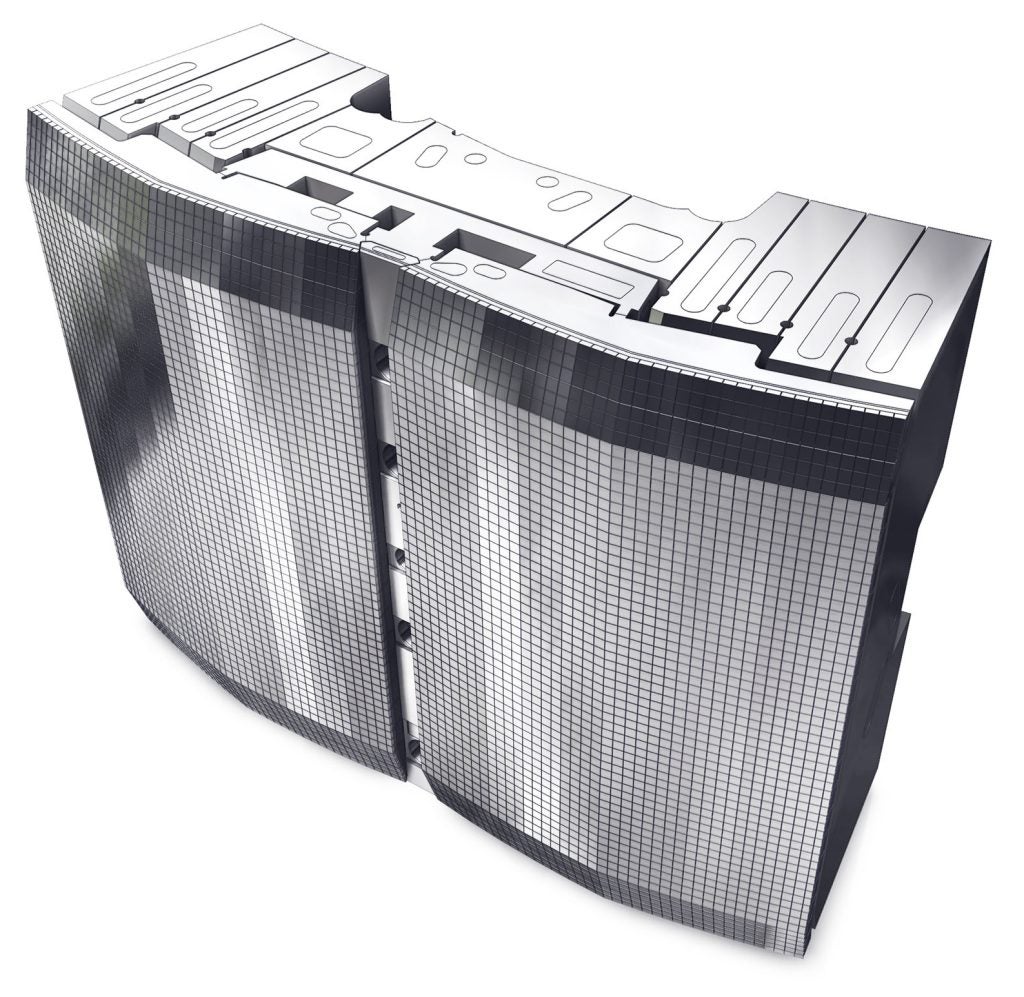
Critically, advanced production techniques such as PM-HIP can be used as part of a toolbox of technologies that can underpin nuclear performance. For example, heat treatment and surface engineering also play a critical role in ensuring that every nuclear component meets exceptionally demanding standards for safety, traceability and long-term performance in extreme operating environments. Material processing determines properties such as strength, durability, corrosion resistance, and wear performance, and must be delivered in a consistent, fully controlled, and compliant manner.
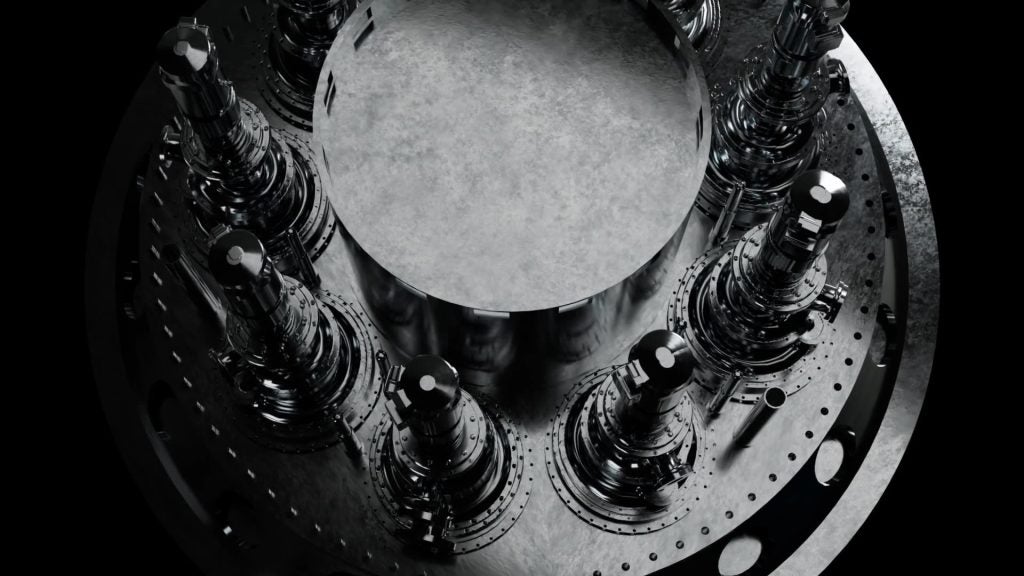
Specific heat treatments, such as overquenching, tempering, ageing, solution annealing, and stabilisation, are used to provide different stainless steels and base nickel components with the in-service properties required. Typical treated parts include piping, pump elements, rings and shafts. Meanwhile, surface engineering plays an equally critical role, preventing wear, corrosion, and galling in key systems such as control rod mechanisms, where reliability is essential to safe reactor operation.
In short, advanced nuclear manufacturing relies on a technology ecosystem. No component enters a reactor without advanced production, controlled thermal processing and surface engineering, and the industry will increasingly depend on a global network of metallurgical suppliers that can cut lead times, enhance design, extend service life and deliver uncompromising quality over time.
As nuclear investment increases and new types of reactors become a reality, the industry’s future success will depend on speed, scalability, and trust.
Advanced manufacturing is set to play a critical role in that progression. Techniques such as PM-HIP, in combination with heat treatment and surface treatment technologies, will unlock new design possibilities, ensure material integrity, and reduce supply chain risks and delays. As such it is well-positioned to play a central role in reimagining how new nuclear reactors are built and then help deliver them at scale.


