
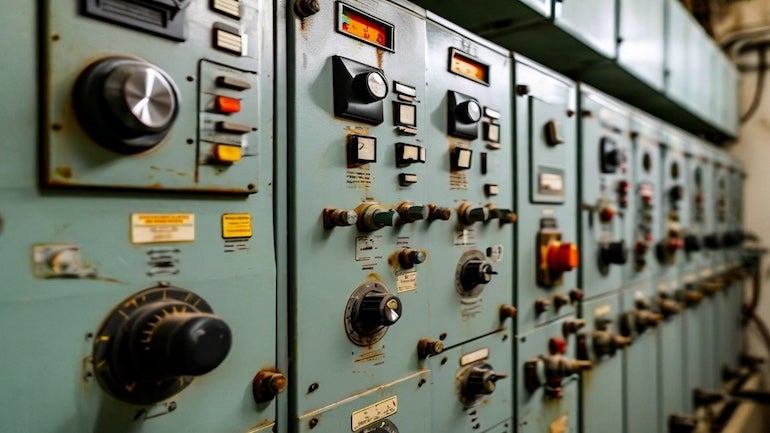
The global debate about nuclear energy has become fixated on the wrong question. While politicians discuss the merits of building new plants and investors chase the promise of small modular reactors, more than two-thirds of the world’s 440-plus operating reactors are over 30 years old, according to the International Atomic Energy Agency (IAEA). More worryingly, the very electrical infrastructure keeping them alive is quietly approaching obsolescence at precisely the moment demand for nuclear power is surging once again.
In reality, the engineers who keep these plants running don’t debate nuclear policy in conference rooms; they walk the floors of plants commissioned as far back as the 1970s. They are seeing firsthand what it means when switchgear has outlived its design life, when circuit breakers need replacing but spare parts are no longer available, and when protection systems that predate the smartphone by decades must be retrofitted for today’s operational demands.
From that vantage point, what comes into view is a global fleet entering the most consequential period in its history, not because reactors are failing, but because the systems around them are aging faster than most people realise, and the decisions we make in the next few years will shape their performance for decades to come.
In the United States alone, roughly 90% of the nuclear fleet has already renewed its operating license once, extending operations to 60 years, and driven by soaring electricity demand from data centres and industrial electrification, several operators are now pursuing subsequent renewals to 80 years, with regulators beginning to discuss what a century of operation would actually demand. This is a remarkable bet on an aging fleet, and it will only pay off if any modernisation is done in the right way.
It’s not the reactor. It’s everything around it.
What most don’t fully appreciate is that the reactor vessel itself is rarely the life-limiting factor. The concrete containment, the pressure vessel, the primary loop: these are all engineered for extraordinary longevity. What ages first, and what creates the most acute operational risk, is the balance of plant, meaning the electrical distribution systems, the switchgear, the protection relays, the motor control centres, and the excitation systems. Much of this equipment was installed with a 25- to 40-year design life, and in plants now expected to run for two or three times that span, this simply doesn’t add up.
The problem compounds itself in ways that are easy to underestimate. As legacy equipment ages, spare parts grow scarce, manufacturers discontinue product lines, and specialised knowledge of vintage systems retires alongside the engineers who installed them. It is a generational handover that the IAEA estimates will see roughly one-third of the existing global nuclear workforce leave the industry by 2033. Eventually, operators will reach a point where maintaining obsolete equipment is less about cost and more about safety. And in nuclear, safety questions don’t wait for convenient budget cycles.
This is precisely what unfolded at the Doel 4 nuclear power plant in Belgium. Commissioned in 1985 and originally scheduled for decommissioning at the end of 2025, the plant was granted a 10-year life extension as European energy security concerns intensified, but extending the license was the easy part. The harder challenge was confronting the reality that much of the plant’s electrical switchgear had become obsolete, with spare parts increasingly unavailable and maintenance progressively more difficult.
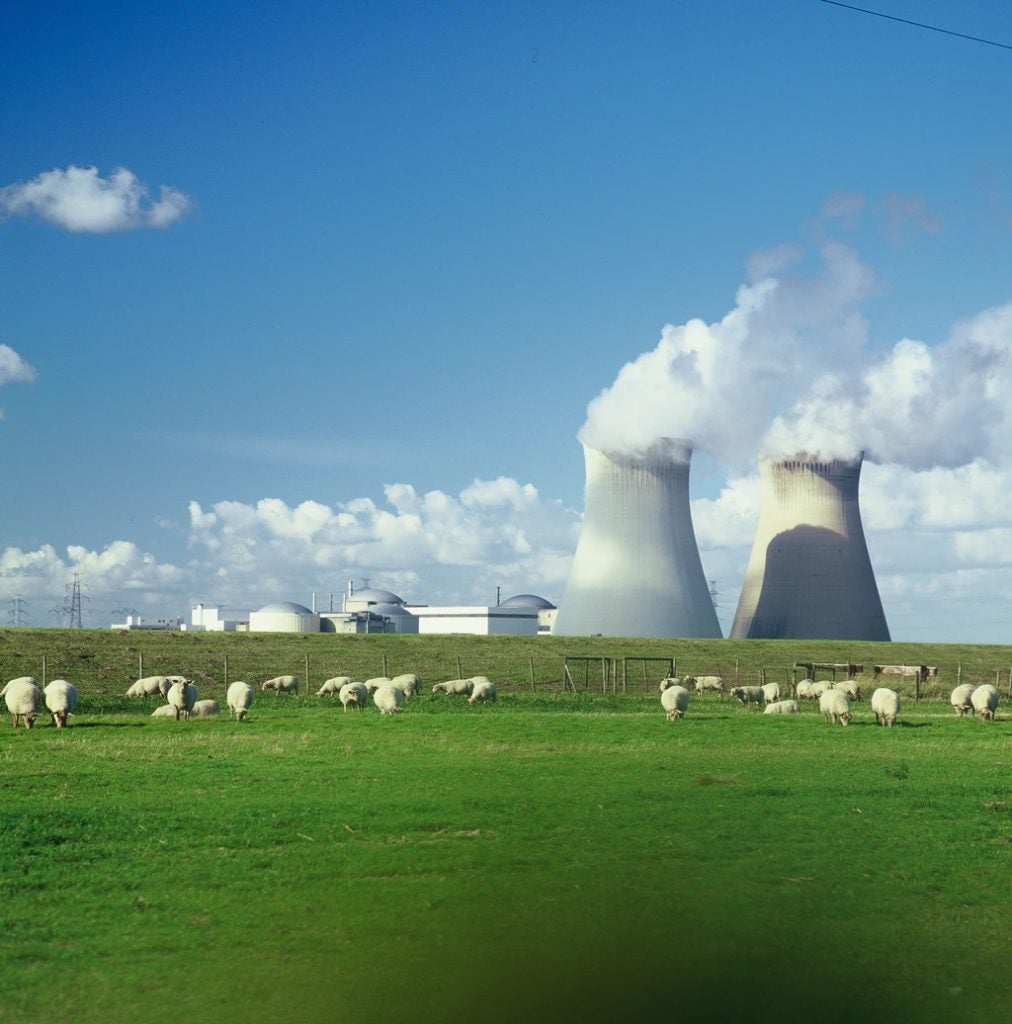
ENGIE’s Belgian subsidiary Electrabel thus brought in an ABB Electrification Service team for a rigorous, consultative assessment of the entire installed base. Their role was to assess how to ensure the plant’s electrical infrastructure could support another decade of safe, reliable operation and to determine what a sustainable path to get there actually looks like.
The case against ripping and replacing
The answer, more often than not, is not to tear everything out and start over. That instinct, the clean-slate impulse, is understandable, but it is usually wrong for nuclear, because full replacement of electrical systems in an operating plant means extended shutdowns, cascading redesign of cabling and civil structures, requalification of every interface, and costs that can spiral well beyond any reasonable business case. In a plant providing baseload power to a national grid, prolonged downtime fast becomes a strategic vulnerability.
At Doel 4, a targeted approach was executed: six switchboards were retrofitted with new circuit breakers, three replaced entirely with new units, and a total of 76 circuit breakers swapped out using the latest vacuum interruption technology. The intervention was deliberately surgical. Retrofit where the existing infrastructure could support it, replace only where obsolescence or safety demanded it.
The results speak to a principle the nuclear industry would do well to embrace more broadly: more than half of the electrical equipment in a typical installation (the metal cabinets, steel plates, busbars) can continue to serve reliably for extended periods if the active components inside them are modernised, properly monitored, and maintained. Fundamentally, this is sound engineering which carries benefits that extend well beyond cost. It supports the circular economy by keeping materials in use and reducing resource dependency, it minimises downtime and disruption, and it addresses the very real spatial constraints of working inside a facility designed decades ago with no thought of future reconfiguration.
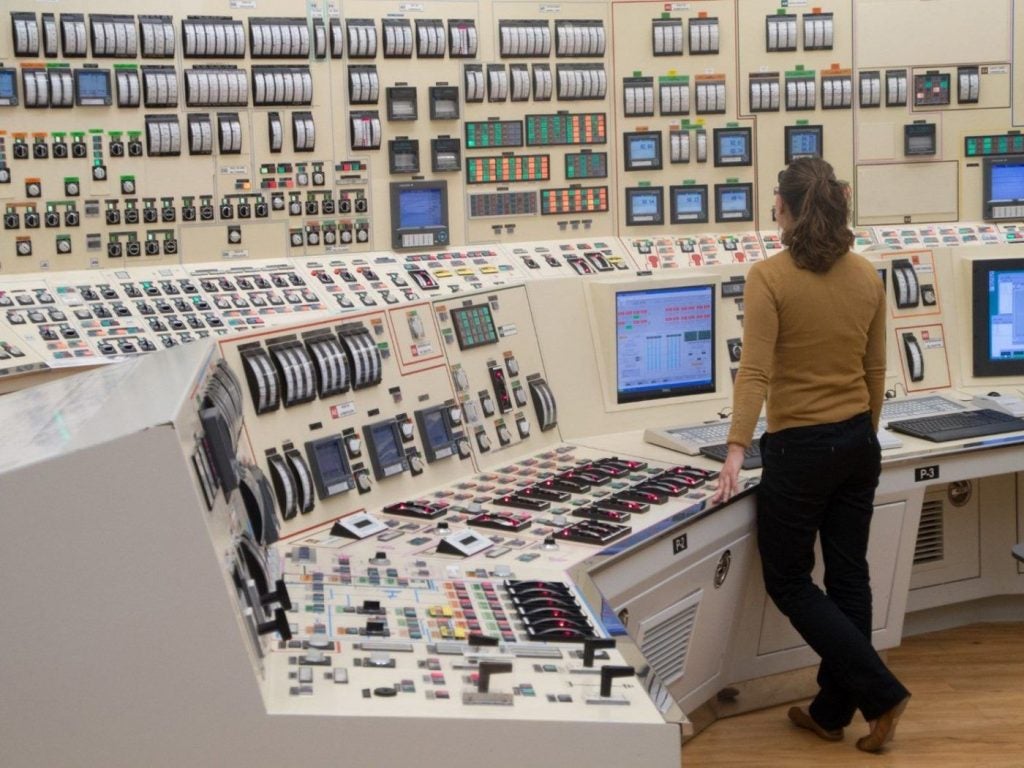
Doel is far from an isolated case. In Canada, Bruce Power, one of the world’s largest operating nuclear generating stations, selected ABB to supply advanced excitation technology to help extend the life, reliability, and efficiency of eight generating units, drawing on UNITROL systems that reflect close to five decades of experience in the nuclear sector. In both projects, the underlying philosophy is identical: extend the productive life of critical assets through targeted, intelligent modernisation rather than wholesale replacement.
Why data matters more than hardware
Like many other industries, the evolution of service for nuclear plants is increasingly becoming about data, too. Nuclear environments impose unique constraints that few other industries face. Access is restricted, radiation exposure must be strictly minimised, inspection windows are narrow, and regulatory oversight is rightly unrelenting. Traditionally, all of this has meant conservative, time-based maintenance schedules, replacing components at fixed intervals regardless of their actual condition, because the consequences of an unexpected failure are simply unacceptable. For decades, this approach was the best available option.
But as plants age, it is an approach that is becoming increasingly inadequate. Components degrade at different rates depending on operating conditions, load profiles, and environmental factors, which means that treating every asset as if it ages on the same schedule leads to unnecessary replacements on one hand and undetected degradation on the other. Neither outcome is acceptable.
Digital monitoring of electrical assets, tracking health, performance, and energy efficiency in real time, allows operators to shift from calendar-based replacement to condition-based intervention. You service what needs servicing, when it needs it, with full visibility into degradation trends and failure probabilities. The result is better uptime, lower lifetime costs, and higher safety margins.
Remote inspection technology is pushing this transition further still. In radiologically controlled areas, where human access is inherently limited and every minute of exposure matters, automated systems can perform inspections, collect condition data, and assess equipment states without putting workers at unnecessary risk. These capabilities are already in use at a growing number of facilities, and they are advancing rapidly. As the global fleet ages and the regulatory bar continues to rise, demand for non-intrusive, data-rich assessment will only intensify.
Building for the engineer of 2060
If a plant is going to operate for 80 or 100 years, its electrical and control infrastructure will almost certainly need to be modernised multiple times over that lifespan. The instrumentation and control systems installed today will eventually become the legacy systems of 2060; the switchgear qualified now will
need to be reassessed by the mid-2040s; the digital platforms deployed now will require capabilities that cannot yet be fully anticipated.
This means the first modernisation must be designed with the second and third ones already in mind. Architectures should be open, modular, and capable of accommodating technologies that have not yet been developed. Physical layouts should allow for future access and reconfiguration without requiring extensive civil modifications. And digital infrastructure should be built to collect and store operational data even where the analytic tools to fully exploit it are still evolving, because the data gathered today will prove invaluable to the engineers who inherit these plants in 2060.
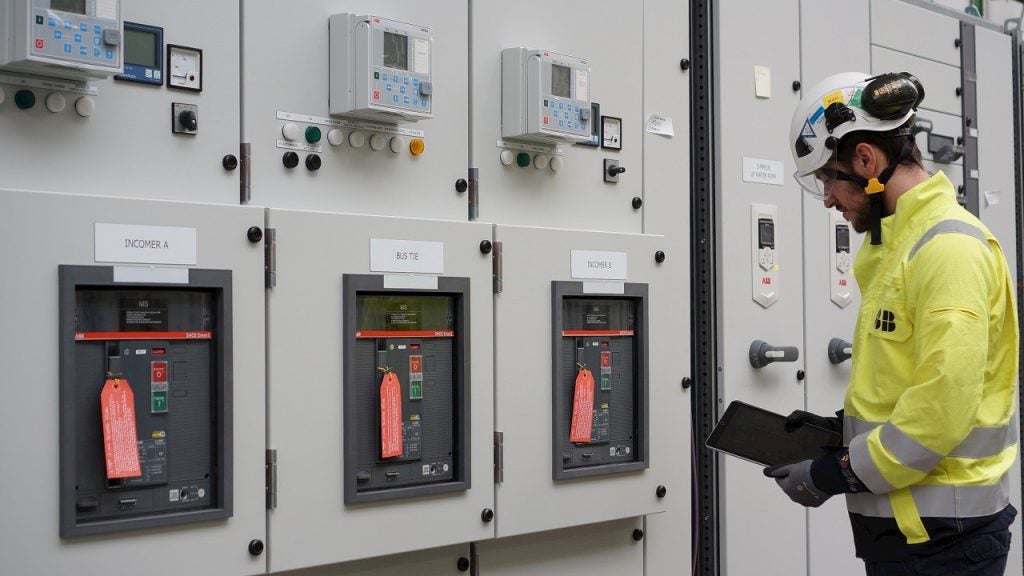
This is one reason integrated approaches matter so much in nuclear. When electrification, automation, and digital monitoring systems are designed as a coherent whole rather than stitched together across multiple vendors and generations of technology, the result is an architecture that can evolve gracefully over time. Piecemeal modernisation, by contrast, creates layers of technical debt that compound with each subsequent upgrade cycle, making every future intervention more complex, more costly, and more disruptive than it needs to be.
The industry trend is moving in this direction, with growing recognition that modernisation of balance-of-plant systems – including the non-safety-critical electrical distribution, the control room interfaces, and the monitoring infrastructure – must be approached with the same long-term, systems-level thinking that is applied to the reactor itself. Anything less is planning for the next decade when we should be planning for the next half-century.
Planning at that horizon also requires rethinking how plants are operated day-to-day. Asset management, automation, and AI are converging into something closer to a single operating system for the enterprise, united by a common purpose: extracting more value, reliability, and sustainability from the infrastructure that already exists, while building the capacity to manage what comes next. Individual assets will increasingly carry digital identities that track performance, risk, regulatory compliance, and carbon impact across their service life, and maintenance will shift from fixed schedules to dynamic, probabilistic forecasts that adjust in real time.
The most advanced operators will run their plants through connected ecosystems that bring together technology providers, energy partners, analytics specialists, and regulatory expertise under a shared operational picture. The result is better decisions, faster response to risk, lower operating costs, and greater confidence that performance, compliance, and sustainability targets are being met as part of day-to-day operations rather than treated as siloed exercises. In a fleet expected to run for another half-century, that kind of integration is not a nice-to-have; it is the foundation on which everything else depends.
Policy is the bottleneck, not physics
None of this happens without the right policy environment. Life extension is a technical undertaking, but it is enabled, or blocked, by regulatory and political decisions. The International Energy Agency’s 2050 Net Zero Pathway is explicit on this point: solar and wind, while essential, are insufficient on their own to reach net zero, and reliable, low-carbon baseload power is needed to complement intermittent renewables and stabilise grids under the growing demand created by electrification, industrial expansion, and the rapid scaling of data centre infrastructure. Nuclear is not the whole answer, but the pathway to net zero almost certainly does not exist without it.
Yet operators will not commit to the significant capital expenditure that deep modernisation requires unless they have confidence in long-term policy frameworks. Governments can meaningfully accelerate nuclear life extension by streamlining permitting processes, maintaining consistent regulatory environments across political cycles, and providing clear investment signals that translate into bankable commitments. Where those signals exist, momentum is already building; where they are absent, aging plants face an uncertain future regardless of their technical potential.
The plants of the 1970s and 1980s were built for a world that no longer exists, a world of stable demand curves, minimal digitalisation, and few alternatives to fossil fuels. The job of those who service these plants today is equally about keeping them running, but also about ensuring that they are ready for a future that will demand more from nuclear than ever before. The engineering knowledge exists, the technology is proven, and the fleet is already in the ground, connected to the grid, generating low-carbon power around the clock. It may well be the most valuable energy asset the world already owns. The question is whether there is the collective will, among operators, regulators, and governments, to invest in it accordingly.


