
The UK Office for Nuclear Regulation (ONR) has welcomed the publication of a new set of principles designed to transform how nuclear regulators and industry co-operate. This comes at a time when the UK is preparing for a significant expansion of its civil and defence nuclear programmes.
The Department for Energy Security and Net Zero (DESNZ) has issued a Ways of Working document, developed jointly by government, ONR, the Environment Agency, and nuclear industry representatives. It establishes nine principles to guide the application of As Low As Reasonably Practicable (ALARP) and Best Available Techniques (BAT) which underpin UK nuclear safety and environmental regulation.
ONR is committed to removing any unnecessary burden from the regulatory framework, while maintaining rigorous safety standards. The key principles of the Ways of Working document include:
- Open-minded and flexible approaches to how ALARP and BAT are demonstrated, recognising that multiple valid methods may exist.
- Mutual understanding between stakeholders about regulatory compliance judgements and decision-making processes.
- Understanding of regulatory guidance by duty-holders, and clarity from regulators about its use.
- Early and regular engagement between duty-holders and regulators to avoid surprises and identify issues early.
- Involvement of the right stakeholders with clear roles and responsibilities and lines of communication.
- Clear communication with robust, well-presented evidence proportionate to the hazard.
- Appropriate consideration of previous decisions, including the use of Relevant Good Practice (RGP) to avoid unnecessary first-principles analysis.
- Oversight of people and processes by all stakeholders.
- Provide appropriate routes to seek clarification, second opinion or raise concerns.
The framework emphasises that effort expended in demonstrating compliance should be proportionate to the risk identified. It notes that deterministic assessments of extremely low probability events can accumulate conservative assumptions, and stakeholders should understand the relationship between assessments and actual risk of harm.
ONR said it has long embedded the framework across its regulatory activities, but this publication will serve as a reminder and a new spur on how to implement and support effective and progressive operations within the nuclear sector.
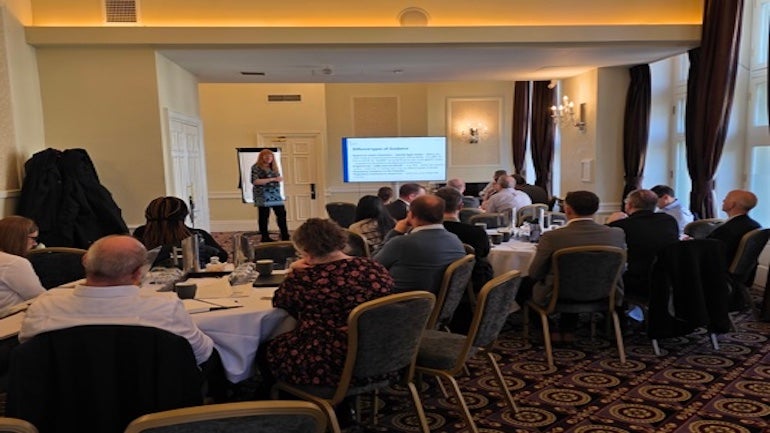
To support the Ways of Working document, ONR has recently established a new Regulatory Policy Team to review key policy documents and address misunderstandings around concepts such as Relevant Good Practice through workshops for inspectors and industry.
Cathy Collins, who leads ONR’s Regulatory Policy Team, said: “We welcome these re-established principles and we’re really pleased to have had the opportunity to contribute to developing them. This is a good time to remind us all of best practice when there’s so much change in the industry.
She added: “Different types of reactors are entering the market, new organisations are joining the sector from different regulatory regimes abroad, and there’s a lot of people change so it’s key that expertise and knowledge is captured.”
ALARP (As Low As Reasonably Practicable) is the legal requirement under the 1974 Health and Safety at Work etc. Act for duty holders to reduce risks so far as is reasonably practicable.
BAT (Best Available Techniques) is the means an operator uses to deliver optimised environmental outcomes, reducing exposures to as low as reasonably achievable while considering economic and social factors.


